The Achill Deer Management Programme demonstrates how local knowledge, community collaboration and evidence-based decision-making can support responsible deer management in Ireland.
With growing concerns around deer-related road traffic incidents on Achill Island, local stakeholders came together to develop a coordinated approach focused on road safety, sustainable deer management and maintaining a healthy wild deer population.
Working in partnership with Achill IFA, licensed members of the Achill Gun Club, local landowners, statutory authorities and the wider community, the FRS Co-Op Deer Management Programme helped facilitate a collaborative response to a significant local challenge.
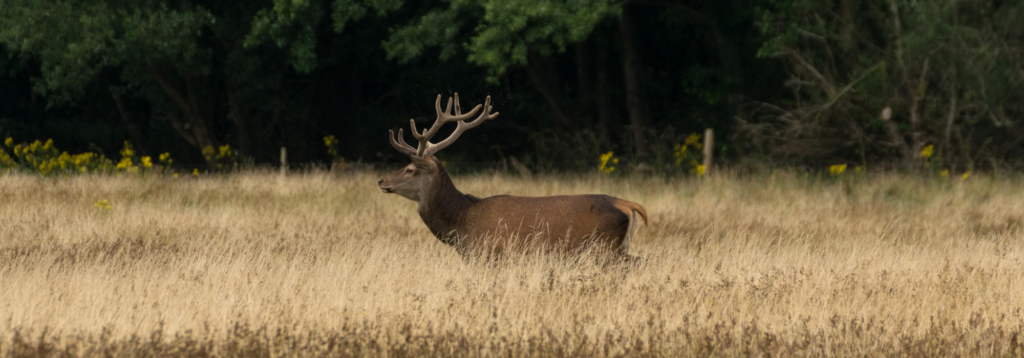
The Challenge: Increasing Deer Activity and Road Safety Concerns
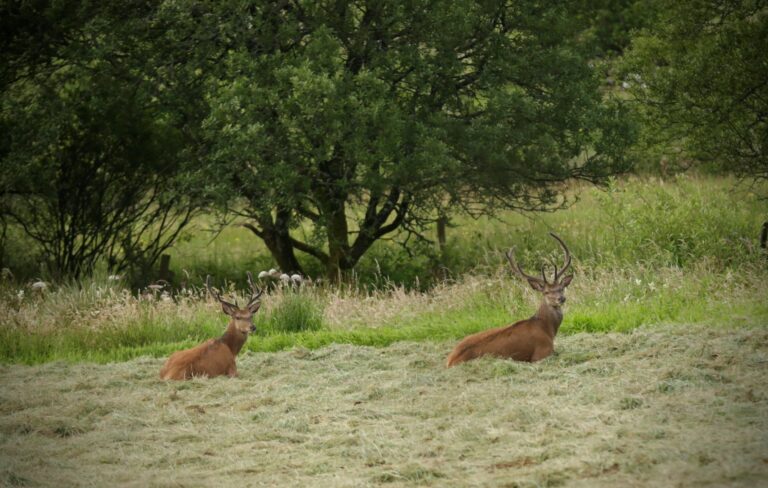
Wild Red Deer have long been part of Achill Island’s natural heritage. In recent years, however, residents reported an increase in deer activity on and alongside public roads.
Deer were increasingly being seen grazing along roadsides, crossing roads without warning and moving in herds, particularly during the evening, night and early morning.
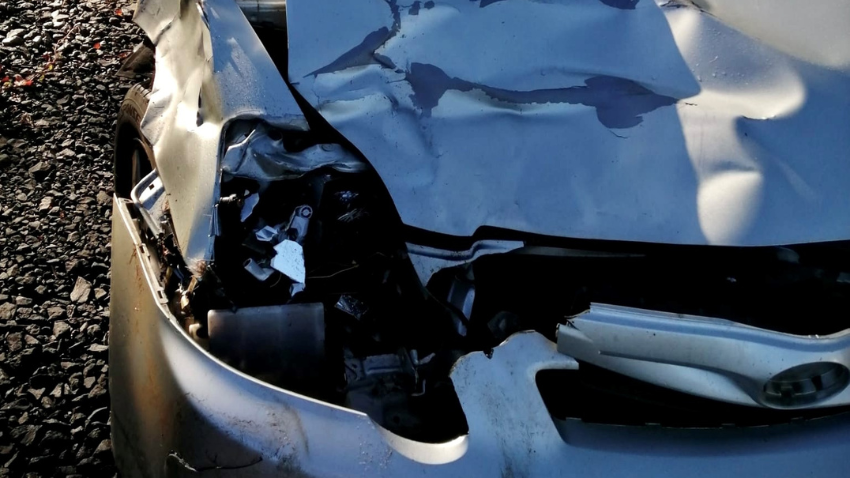
As this activity increased, so too did reports of collisions and dangerous near misses. These incidents resulted in vehicle damage, injuries and growing concern among local motorists.
Using Local Evidence to Understand the Problem
Rather than relying on assumptions about deer numbers or isolated reports, Achill IFA sought to establish the scale of the problem using information from the people experiencing it.
Local residents were encouraged through newspapers, parish newsletters and regional radio to confidentially report deer-related collisions and near misses.
The information gathered identified approximately 14 serious deer-related road traffic collisions over an 18-month period. Reports included significant vehicle damage, injuries requiring hospital treatment and regular near misses on roads throughout the Achill Parish.
This information helped transform community concerns into credible local evidence and provided a stronger basis for informed decision-making.
Effective deer management starts with good information. Local knowledge and accurate data can help stakeholders understand what is happening across a landscape and make better-informed management decisions.
Key Learning
Building a Collaborative Deer Management Approach
Following the gathering of local evidence, Achill IFA engaged with the FRS Co-Op Deer Management Programme.
Regional Deer Manager John Heneghan worked with Achill IFA, licensed members of the Achill Gun Club, local landowners and relevant stakeholders to support the development of a coordinated approach.
Local hunters contributed their knowledge of deer behaviour and the surrounding landscape, while landowners and residents provided essential local information and cooperation.
The role of the Deer Management Programme was to help facilitate collaboration, communication and information-sharing between those involved, supporting an approach informed by local knowledge and evidence.
This partnership was fundamental to developing a practical response appropriate to the local conditions in Achill.
Putting the Deer Management Approach into Practice
Licensed members of the Achill Gun Club, operating with the necessary permissions and authorisations, implemented the agreed management approach in areas where deer activity presented the greatest risk to public safety.
Alongside this work, engagement continued with landowners and residents to explain the programme, listen to concerns and encourage cooperation.
Community involvement remained important throughout. Landowners facilitated access where appropriate, residents continued to share information about deer activity, and local hunters contributed their time, experience and knowledge.
The focus remained on a responsible and sustainable approach to deer management, balancing public safety with the long-term management of Achill’s wild deer population.
Early Results from the Achill Deer Management Programme
Before the programme was established, approximately 14 serious deer-related road traffic collisions had been reported over an 18-month period, with the total cost of damage to vehicles estimated at approximately €250,000.
Since the FRS Co-Op Deer Management Programme became involved 8 months agao and a coordinated local approach was introduced, no further deer-related road traffic incidents have been reported in the areas covered by the programme.*
Local residents have also reported fewer deer sightings in several of the principal road-safety risk areas, including reduced deer activity along some of the busiest roads where collisions and near misses had previously been most common.
The programme has also strengthened cooperation between Achill IFA, local hunters, landowners, FRS Co-Op and relevant statutory authorities. Greater communication and public awareness have helped strengthen community understanding and confidence in the approach being taken.
These early results demonstrate the potential impact of combining accurate local information, the knowledge of hunters and landowners, and coordinated, evidence-based deer management.
*Based on incidents reported to the programme at the time of publication
What Can Other Communities Learn from Achill?
he experience in Achill demonstrates that effective deer management is not achieved by one organisation working in isolation.
Several important lessons have emerged:
- Local evidence matters. Accurate information from residents, hunters and landowners helps establish what is happening on the ground and supports evidence-based decisions.
- Hunters and landowners are essential. Their local knowledge, experience and cooperation are fundamental to effective deer management.
- Collaboration delivers better outcomes. Bringing local stakeholders and relevant organisations together helps create a more coordinated approach.
- Communication builds trust. Clear, factual communication with the wider community can address concerns and encourage participation.
- Deer management is an ongoing process. Sustainable management requires continued cooperation, information-sharing and local involvement.
The original Achill case study concludes that successful deer management is built through partnership, trust, professional leadership and a shared commitment to protecting people and the natural environment.
A Local Approach with Wider Potential
Every area of Ireland has different landscapes, deer populations and local challenges. There is no single approach that will be appropriate everywhere.
However, the experience in Achill demonstrates the value of bringing local knowledge, accurate information and collaboration together.
What began as growing concern about deer-related road traffic incidents developed into a coordinated community response involving Achill IFA, local hunters, landowners, statutory bodies, the wider community and the FRS Co-Op Deer Management Programme.
The experience provides a useful example for other communities across Ireland seeking to develop collaborative and sustainable approaches to deer management.
Working Together for Sustainable Deer Management in Ireland
The FRS Co-Op Deer Management Programme works with hunters, landowners and local stakeholders to facilitate collaboration, improve information-sharing and support evidence-based approaches to responsible deer management.
Learn more about the FRS Co-Op Deer Management Programme and find your local Deer Management Coordinato